Lake Lanier remains one of North Georgia's most sought-after real estate markets, but what separates a good lakeside purchase from a great one goes well beyond having a dock. Whether you are searching for Lake Lanier homes for sale or preparing to list your property, understanding the long-term value drivers specific to this region will help you make smarter decisions today and protect your equity for years to come.
Local market context matters. Lake Lanier spans multiple counties and markets — Hall, Forsyth, Gwinnett, Dawson and parts of Lumpkin — and each has its own tax structure, school zones, and development plans that affect property values. Micro-market shifts are common: a condo complex near Lanier Islands will attract different buyers than a private estate in Flowery Branch or a renovated ranch in Gainesville. Buyers and sellers who factor county-level trends and planned infrastructure projects into their strategy enjoy better pricing and faster transactions.
Water access comes in many forms and the type you have changes value. Direct private waterfront with a deep-water dock usually commands the highest premium, especially if it includes a permitted pier and stable shoreline protection like riprap. However, deeded community slip rights, views of open water, or close access to marinas can deliver similar lifestyle benefits at lower price points. Sellers should highlight the specific kind of water access in listings; buyers should confirm the legal status of docking rights, current permitting, and any shared maintenance obligations.
Seasonality and demand cycles on Lake Lanier are predictable and useful. Spring and early summer listings tend to attract the largest pool of buyers and higher offers, but sellers who list in winter with professional photos that show year-round appeal can still capture motivated purchasers. For buyers, off-peak seasons may offer better negotiating leverage and more flexible closing timelines. Both sides should monitor inventory levels and days on market in their neighborhood to time decisions more effectively.
Inspections on a lake property need to include lake-specific items. Beyond the standard roof, HVAC and foundation checks, add a shoreline assessment, dock condition review, and septic vs. sewer verification. Ask for recent surveys and look carefully for easements, encroachments, or past shoreline remediation work. Flood zone designations and the presence of an elevation certificate can impact insurance costs and lender approvals — an important consideration when financing a waterfront purchase.
Insurance and financing differences are real. Waterfront homes can trigger higher premiums for flood and wind coverage, and some lenders require additional documentation or restrict loan products for properties in certain zones. Buyers should get pre-approved with lenders who understand Lake Lanier properties. Sellers can help by assembling recent insurance quotes, inspection reports and documentation about dock permits to reduce friction during escrow.
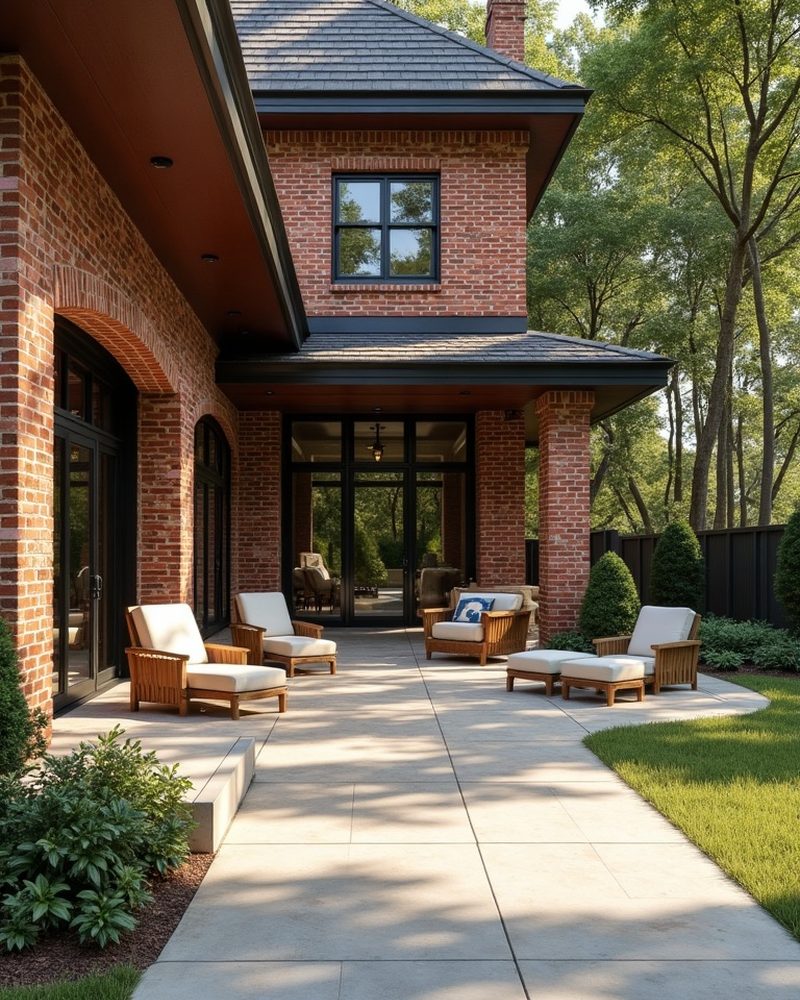
Renovation ROI varies by location and buyer expectations. In many Lake Lanier neighborhoods, outdoor living upgrades — screened porches, boat houses, quality docks, and low-maintenance landscaping — often deliver higher returns than high-end interior finishes. Kitchens and baths still sell homes, but the lake lifestyle means buyers often prioritize a functional mudroom, gear storage, and covered outdoor entertaining spaces.
Marketing your Lake Lanier property effectively attracts more qualified buyers. High-resolution aerial photography, twilight shots of water views, and clear descriptions of water access type, boat slip details, and proximity to marinas or county parks will improve visibility in search results and MLS. For buyers
